
FROM ORCHARD TO TABLE
Cherries are one of the most beautiful tree fruits! Sweet cherries are known to have plenty of health benefits. Here's my tutorial with a fantastic recipe.


The Alluring World of Cherries: From Orchard to Table
Hey friends, it’s cherry season. Here in New England, the season is short, and we must overcome some challenges. The weather makes the picking time from late June to late July if it doesn’t rain. Meanwhile, picture biting into a plump, juicy cherry on a warm summer day—the burst of sweetness or that perfect tart zing that makes your taste buds flutter. Cherries are more than a seasonal treat; they’re a versatile fruit packed with history, flavor, and health benefits. Whether you’re a home cook, a backyard gardener, or someone who loves fresh produce, understanding cherries can improve your culinary adventures and inspire you to grow your own. So, let’s do some research!
Cherries belong to the Prunus genus and come in two main categories: sweet cherries (Prunus avium) and tart or sour cherries (Prunus cerasus). Sweet cherries are typically eaten fresh, with rich, sugary profiles, while tart cherries shine in baked goods and preserves due to their bright acidity. Major U.S. growing areas for sweet varieties include Washington, California, and Oregon, which account for most production, while Michigan leads in tart cherries. These regions supply the temperate climates with cool winters and moderate summers that cherries need. Globally, Turkey is a top producer, but North American orchards produce exceptional-quality fruit.
If you’re thinking about planting cherry trees, success depends on variety and location. Sweet cherries thrive in USDA zones 5-8 and usually need a pollinator tree (with self-fertile exceptions like Stella or Lapins). They prefer full sun, well-drained soil, and protection from frost pockets. Tart cherries are hardier, suiting zones 4-7, and many are self-pollinating, making them easier for smaller gardens. Popular sweet varieties include the iconic Bing, with its deep red color, firm texture, and intensely sweet flavor, and Rainier, which has a yellow-red blush and gentle sweetness. Others are Chelan, an early dark variety, and Lapins. For tart cherries, Montmorency is a favorite: bright red, juicy, and perfect for pies. Dwarf or semi-dwarf rootstocks like Gisela keep trees manageable at 10 to 15 feet tall.
For those with limited space, cherries can also be grown in large containers. Choose naturally compact or dwarf varieties, such as Stella, Compact Stella, or shrub-like bush cherries (like Carmine Jewel or Juliet), for the best results in pots. A container of at least 15 to 20 gallons is ideal. Use a high-quality, well-drained potting mix, place the tree in a sunny spot, and water regularly, as containers dry out faster than garden beds. Feed during the growing season with a balanced fertilizer, and consider winter protection if your climate is cold. With the right variety and consistent care, even a patio or balcony can yield a harvest of homegrown cherries.
Selecting cherries at the market or farm stand is key to enjoyment. Look for firm, plump fruits with bright color appropriate to the variety—deep mahogany or black for Bings, golden with red blush for Rainiers, and bright scarlet for Montmorency. Green, flexible stems indicate freshness; avoid brown, dry stems or wrinkled skin. Cherries don’t ripen after picking, so what you see and taste is what you get. Give them a gentle squeeze—they should yield slightly without being mushy. For tart cherries, which are less common fresh, seek frozen or canned options from reliable sources.
Once home, store cherries properly to extend their life. Refrigerate them unwashed in a breathable bag or container, ideally with stems intact, and use within a few days for peak freshness. Tart cherries are more perishable, so freeze extras promptly. Rinse just before eating to prevent moisture-related spoilage. A helpful tip: pit cherries in bulk using a cherry pitter or a simple paperclip trick if processing a large haul for jams or baking—it saves time and mess.
If you grow your own cherries, keeping an eye out for common pests like cherry fruit fly, aphids, and spotted wing drosophila can prevent big disappointments at harvest. Diseases such as brown rot or powdery mildew can also affect fruit quality. To reduce problems, pick up fallen fruit, prune to improve air circulation, and consider using organic sprays such as neem oil or insecticidal soap early in the season. Regular monitoring and early action help ensure you enjoy healthy, beautiful cherries from your trees.
Cherries are versatile in the kitchen. Fresh sweet cherries make great snacks, additions to salads (try them with goat cheese and walnuts), or toppings for yogurt and oatmeal. They pair well with pork or duck within savory dishes, adding a sweet contrast. Tart cherries excel in pies, cobblers, sauces, and juices—known for anti-inflammatory and antioxidant properties enjoyed in smoothies before bedtime. Dried cherries boost trail mix or baked goods, while cherry preserves bring summer flavor to toast year-round. Nutritionally, they’re rich in antioxidants, fiber, and vitamins, aiding heart health and exercise recovery.
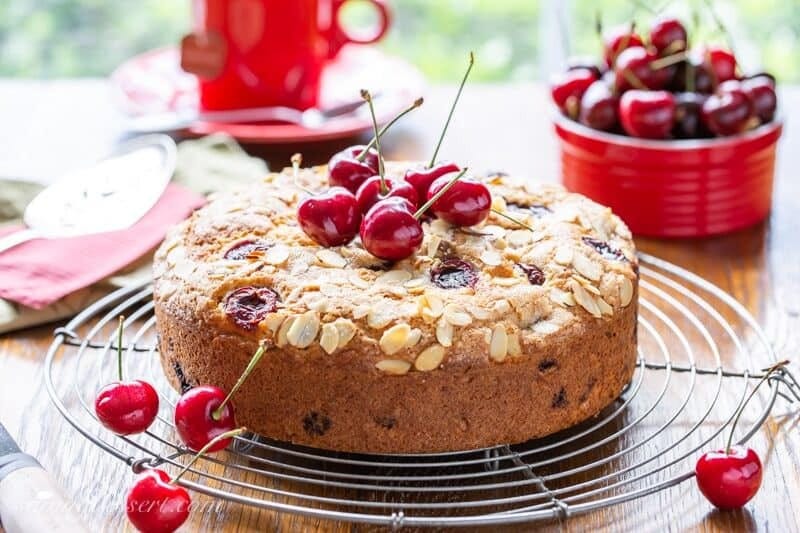
For an enjoyable way to showcase cherries, try this moist Fresh Cherry Almond Cake. It’s straightforward, celebrates sweet cherries (or thawed frozen ones), and serves 8-10. Perfect for brunch or dessert.
Ingredients:
3 large eggs
2 cups granulated sugar
¾ cup (170g) unsalted butter, softened
1 tsp pure vanilla extract
1 tsp almond extract
3 cups plain flour
1½ tsp baking powder
½ tsp salt
1½ cups fresh sweet cherries, pitted and roughly chopped (toss in a bit of flour to prevent sinking)
Optional glaze: 2 cups powdered sugar, 1½-2 Tbsp milk, ½ tsp almond extract
Instructions:
Preheat your oven to 350°F (175°C) and grease a 9x13-inch baking pan or a Bundt pan. In a large bowl, beat the eggs and sugar until light and thickened, about 5 minutes. Add the softened butter, vanilla, and almond extracts, mixing until creamy. In a separate bowl, whisk the flour, baking powder, and salt. Slowly add the dry ingredients to the wet mixture until just combined—don’t overmix. Fold in the chopped cherries. Pour the batter into the prepared pan and bake for 45-55 minutes, or until a toothpick inserted in the center comes out clean. Cool in the pan for 15 minutes before transferring to a wire rack. For the glaze, whisk powdered sugar with milk and almond extract until smooth and drizzle over the cooled cake. The result is a tender crumb studded with juicy cherry pockets, with a fragrant almond note that complements the fruit perfectly.
Beyond the basics, cherries connect us to seasonal rhythms. Visit u-pick orchards for family fun or explore farmers’ markets for heirloom varieties. Experiment with cherry-infused cocktails, homemade ice cream, or cherry salsa for grilled fish. If you want to preserve your cherry harvest, there are several simple methods to enjoy its flavor year-round. For freezing, pit the cherries first, lay them in a single layer on a baking sheet, and freeze until firm before transferring to bags—this prevents clumping and makes it easy to grab just what you need.
Drying is another excellent option: use a dehydrator or a low oven to dry halved and pitted cherries until leathery, then store in airtight containers for snacking or baking. Making quick cherry jam is also rewarding—combine cherries, sugar, and a splash of lemon juice, then cook until thickened and store in jars, either refrigerated for short-term use or processed in a water bath for longer shelf life. Whether eaten fresh or preserved by freezing, drying, or jamming, growing your own—even in containers for dwarf types—brings great satisfaction and the freshest harvest.
Cherries embody basic joys with unlimited potential. From the sunlit orchards of the Pacific Northwest to your kitchen table, they reward meticulous selection and creative use. Stock up while in season, pit a batch for the freezer, and bake that cake—you’ll thank yourself with every delicious bite. Whether sweet or tart, these ruby gems brighten your meals and memories.
Mastering Cherry Tree Pruning Techniques: A Gardener’s Guide to Healthier, More Productive Trees
Picture your cherry tree standing tall in the backyard, its branches laden with ruby-red fruit under the summer sun. Achieving that vision doesn’t happen by chance—it starts with proper pruning. Pruning cherry trees is one of the most gratifying yet often misunderstood aspects of fruit tree care. Done right, it promotes strong structure, better fruit production, better air circulation to ward off disease, and easier harvesting. Whether you’re tending sweet cherries like Bing or tart varieties like Montmorency, understanding the techniques can transform a spindly sapling into a bountiful orchard staple.
Why Prune Cherry Trees?
Pruning serves three main purposes: survival, stimulation, and shaping. After planting, especially for bare-root trees, pruning balances the top growth with the root system, helping the tree establish itself. It stimulates vigorous new growth from remaining buds, resulting in stronger branches. Most importantly, it creates an open, balanced structure that allows sunlight and air to reach the interior, resulting in larger, sweeter fruit and fewer problems with fungal issues like brown rot or silver leaf disease.
Neglected trees become overcrowded, with fruit production shifting to the outer edges while the center turns into a knotted mess prone to pests and poor-quality yields. Regular pruning keeps trees manageable—especially important for dwarf or semi-dwarf varieties—and extends their productive life.
Best Time to Prune
Timing is critical for cherries, which are susceptible to diseases entering through fresh cuts.
For sweet cherries, many experts recommend late-summer pruning (after harvest, ideally before late August) to minimize the risk of silver leaf disease, as fungal spores are less active then. Light thinning can also occur in early spring, once the frost danger has passed.
Tart (sour) cherries are more forgiving and can often handle dormant-season pruning in late winter to early spring (before bud break). In colder climates, wait until late winter to avoid cold injury. Always prune during dry weather to reduce the risk of infection. Avoid heavy winter pruning on sweet cherries in rainy regions.
Young trees benefit from formative pruning in their first few dormant seasons, while mature trees need annual maintenance.
Tools and General Techniques
Gather sharp, clean tools: hand pruners for small branches, loppers for medium ones, and a pruning saw for larger limbs. Disinfect blades with rubbing alcohol or a bleach solution between cuts to prevent the spread of disease. Make clean, angled cuts (about 45 degrees) just above an outward-facing bud or at the branch collar—never leave stubs, as they invite decay.
Key cut types include:
Thinning cuts: Remove entire branches back to their origin to open the canopy.
Heading cuts: Shorten branches to encourage branching and control size.
Renewal (stub) cuts: Cut back older fruiting wood to stimulate fresh, productive growth.
Remove suckers (shoots from the base), water sprouts (vigorous upright shoots), dead/diseased wood, and crossing branches first.
Pruning Young Cherry Trees
Start at planting or the first dormant season. For a whip (unbranched sapling), head it back to 24–36 inches above ground to encourage strong scaffolds.
In the second year, select 3–5 well-spaced lateral branches with wide crotch angles (ideally 45–60 degrees, such as the 10 o’clock and 2 o’clock positions) as your main scaffolds. These should be at least 18 inches above ground and spaced vertically—prune competing leaders and inward-growing shoots. Cut scaffolds back by about one-third to promote lateral growth.
Sweet cherries are typically trained to a central leader system: maintain one strong upright trunk with tiers of scaffolds.
Tart cherries often do well with a modified central leader or open-center (vase-shaped) form, which keeps the canopy airy—ideal for their more vigorous growth. Continue building the structure over the first 3 years, spacing scaffolds about 6–8 inches apart vertically and evenly around the trunk.
Pruning Mature Cherry Trees
Once established (year 3+), focus on maintenance. Thin out crowded areas to let light in, remove older fruiting wood (cherries fruit on spurs and previous year’s growth), and head back last year’s stems by about half to rejuvenate. Keep the tree height manageable—around 10–15 feet for home gardens—by cutting the leader to a weaker lateral if needed.
For sweet cherries, preserve the central leader and ensure scaffolds don’t cross. For tarts, maintain an open center by removing vertical growth in the middle. Annually remove no more than 20% of the canopy to avoid shocking the tree.
Special Considerations
Dwarf trees (on Gisela rootstocks): Prune more lightly but regularly to control vigor.
Overgrown trees: Renovate gradually over several seasons rather than one heavy cut.
Disease prevention: In humid areas, prioritize summer pruning and seal larger cuts if recommended locally.
Watch for narrow crochets, which can split under the weight of fruit.
After pruning, water deeply, spread mulch (keeping it away from the trunk), and apply a balanced fertilizer—such as a 10-10-10 or 12-12-12 formulation—in early spring as new growth begins. Use a slow-release granular fertilizer, following package rates for mature fruit trees, and spread it evenly around the drip line, avoiding direct contact with the trunk. Apply fertilizer once a year in spring for established trees; young trees may benefit from a lighter dose split between early spring and early summer. Monitor for signs of stress, such as excessive water sprouts, which indicate over-pruning.
With consistent effort, your cherry tree will reward you with abundant harvests for decades. Pruning might feel intimidating at first, but like the cherries themselves, it’s a practice that grows sweeter with time. For a quick recap: Prune sweet cherries mainly in late summer after harvest to avoid disease, while tart cherries can be pruned in late winter to early spring before bud break. Grab your pruners during the right season, step back to visualize the tree’s ideal shape, and enjoy the process—your future self (and taste buds) will thank you.
Whether you’re tending a young sapling or reviving an old favorite, these techniques connect you more deeply to the rhythms of your garden and the delicious fruits it yields.
Chef Walter M. E. Potenza, a native of Abruzzo, Italy, is a master chef, ambassador, educator, and storyteller dedicated to elevating authentic Italian culinary culture in the United States. Recognized internationally as a leading authority on traditional and historical Italian, Mediterranean, and Jewish cooking, he moves beyond stereotypes to present Italian cuisine in its purest, most informed form—serving as a guiding paradigm for culinary professionals representing Italian gastronomy abroad.