

EATING IN MARCH
In March, embracing these transitional foods means celebrating both the lingering comfort of winter’s bounty and the excitement of spring’s first greens.

Readers:
As March arrives in Providence, Rhode Island, the first tentative signs of spring emerge—longer days, melting snow, and the promise of renewal after winter’s grip. The vernal equinox heralds a shift, and with it, the produce world begins to awaken. While hearty winter roots and storage crops still linger, early spring arrivals like asparagus and artichokes make their debut, often from warmer regions like California, bringing vibrant green freshness to markets. In the Northeast, local harvests remain limited this early, so many of March’s stars arrive via longer supply chains, yet their peak-season quality shines through. This transitional month bridges the end of citrus dominance with the first tender shoots of the new season, inviting us to blend comforting roasts with lighter, brighter dishes that anticipate warmer weather.
Fruits in March continue to draw heavily from winter citrus, now at their sweetest and juiciest after months on the tree, alongside tropical options that feel like a preview of summer. Blood oranges, with their striking maroon flesh and berry-like notes, reach a crescendo—select heavy fruits with taut, richly colored skin free of soft spots, store them in the refrigerator’s crisper for up to two weeks, and use their vivid segments in salads, drizzle the juice over yogurt, or reduce into a glossy glaze for roasted meats. Grapefruit, often sweeter now, feel plump and heavy when ripe; refrigerate them whole and enjoy halved with a sprinkle of sugar or supremed into ceviche for a tart wake-up. Kiwi, fuzzy and nutrient-dense, yields slightly to pressure when ripe—keep at room temperature until ripe, then chill and slice into fruit bowls or blend into green smoothies for a vitamin C punch. Mandarins and tangerines, easy-peeling and seedless in wide varieties, choose firm ones without bruises; store loosely in a bowl or in the fridge, and pop them as snacks or scatter them over grain bowls. Pineapple, entering peak from March onward, select ones with golden hues, fragrant bases, and a slight give—store upside down at room temperature for a day to distribute sugars, then refrigerate cut pieces and grill rings for dessert, or chop into salsa for a tropical twist.
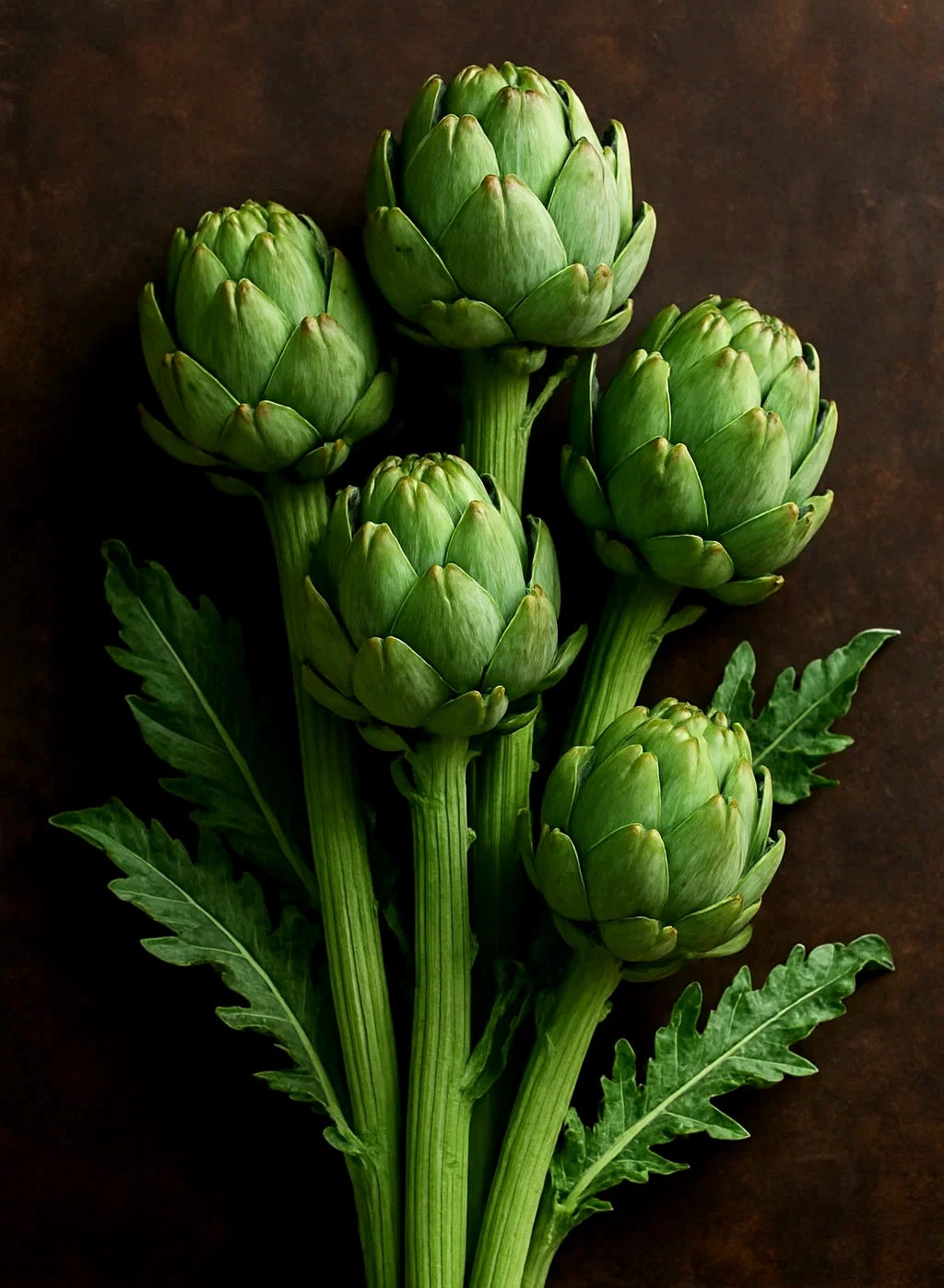
Turning to vegetables, asparagus heralds spring’s arrival with slender, tender spears that snap crisply—look for bright green stalks with tightly closed tips, avoiding any limp or woody ones; wrap ends in a damp paper towel and refrigerate upright in a jar of water like flowers for up to a week. Steam or roast them simply with olive oil and lemon to highlight their grassy sweetness, or shave raw into salads for crunch. Artichokes, globe-shaped and spiky, demand firm, heavy globes with tightly packed leaves—trim stems and store in the fridge wrapped in plastic; steam whole and dip leaves in garlic butter, or stuff hearts into pasta for an elegant side. Broccoli and broccolini thrive in cooler weather—choose firm, dark-green heads with no yellowing; store in a perforated bag in the crisper, and roast florets with garlic or stir-fry tender stems for quick meals. Brussels sprouts, if still available, pick tight, vibrant ones; refrigerate and halve for roasting with balsamic to caramelize their edges. Cauliflower, versatile and snowy, select dense heads without brown spots; store whole in the fridge and rice it for low-carb bases or roast florets whole for steak-like texture. Leafy greens like arugula, spinach, and mustard greens emerge tender—opt for crisp, unwilted bunches; keep them in damp towels in the fridge and toss them into salads or wilt them into soups. Beets and parsnips carry over from winter—firm, smooth roots store best in the crisper; roast beets for earthy salads or puree parsnips into silky soups. Leeks, mild and oniony, rinse thoroughly to remove grit; choose firm stalks, store chilled, and slice into potato soups or braise as a side.
In March, embracing these transitional foods means celebrating both the lingering comfort of winter’s bounty and the excitement of spring’s first greens. Choosing seasonal produce supports fresher flavors, better nutrition, and often lower environmental impact—whether you’re in Providence picking up early asparagus at a market or enjoying citrus shipped from sunnier states. Let this month’s harvest inspire lighter meals that still warm the soul as winter fades and new growth begins.
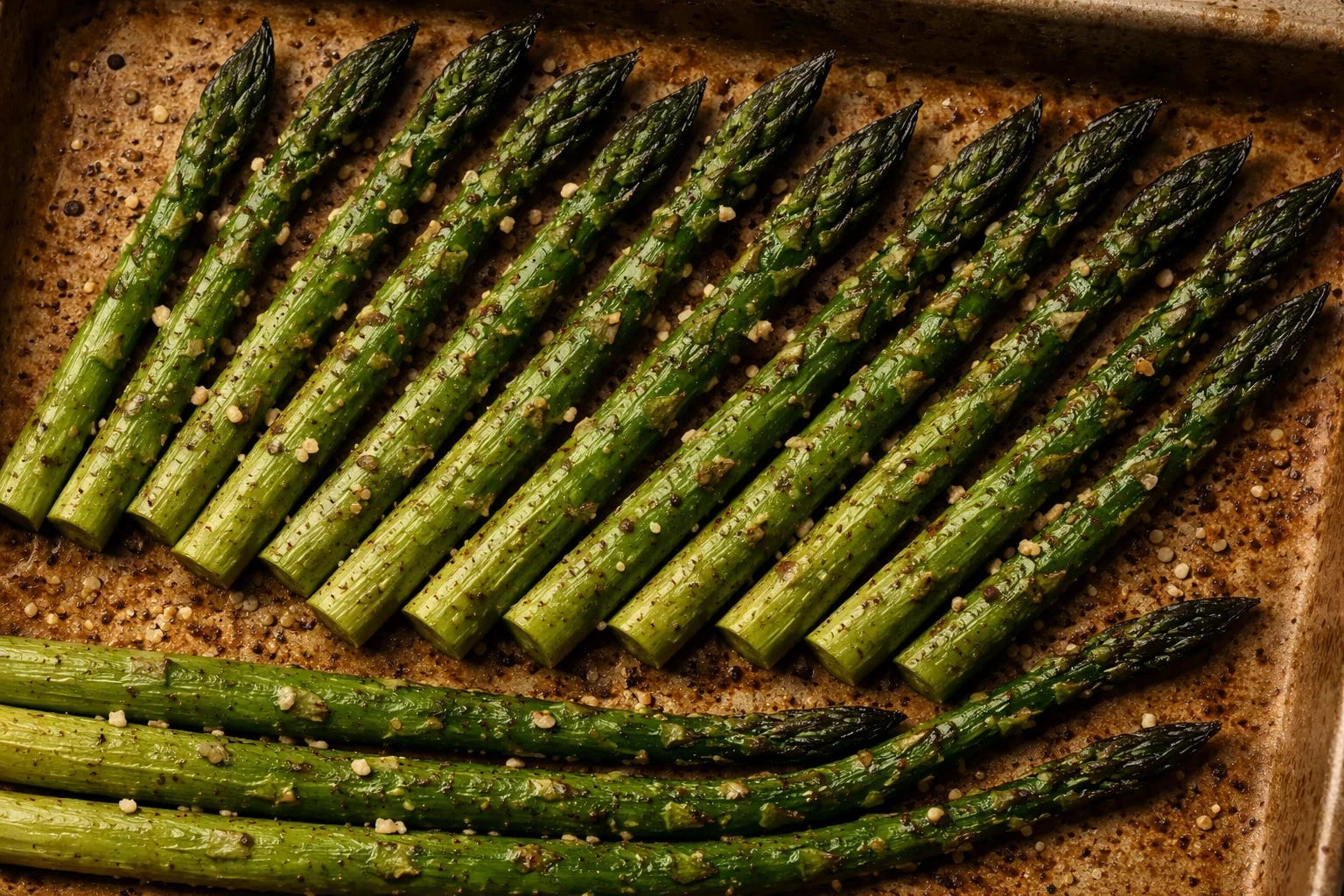
And yes, the asparagus. These slender green spears come in fresh from warmer places or the first local harvests, bringing a crisp snap and a bright, grassy flavor that tastes just like spring. Whether you find them at the farmers’ market or the grocery store, choose stalks that are firm and vibrant green, with tightly closed tips. Avoid any that look wilted, have mushy ends, or spreading heads, which means they’re past their prime. The best asparagus stands straight and snaps cleanly at the base. Once you bring them home, treat them like fresh flowers: trim the bottoms if needed, stand the bunch upright in a jar of cold water, loosely cover the tips with a plastic bag, and keep them in the fridge. Change the water every day or every other day, and they’ll stay crisp for up to a week.
Roasting asparagus with lemon and Parmesan is one of the easiest and tastiest ways to enjoy it. Preheat your oven to 425°F. Snap off the tough ends of a pound of asparagus; they’ll break naturally where the tender part meets the woody part. Toss the spears on a baking sheet with a couple of tablespoons of olive oil, a good pinch of salt, and some freshly ground black pepper. Spread them out in a single layer so they roast evenly. Roast for 10 to 12 minutes, until the tips are lightly charred and the stalks are tender but still have a bit of bite. When they come out of the oven, squeeze fresh lemon juice over them, add some grated lemon zest for extra brightness, and sprinkle with finely grated Parmesan. The cheese melts just enough to stick, and the lemon brings out the vegetable’s natural sweetness. This is great with roasted chicken, grilled fish, or even scrambled eggs for brunch.
Grilling asparagus gives it a subtle smoky flavor that’s perfect for warmer evenings. Heat your grill to medium-high. Toss the trimmed spears with olive oil, salt, and pepper. If you like, add some minced garlic or a pinch of red pepper flakes for extra flavor. Place the asparagus directly on the grill grates, laying them across the bars so they don’t fall through. Grill for 4 to 6 minutes, turning once or twice, until they have nice char marks and are tender-crisp. Serve them hot with halved lemons for squeezing. The lemon juice brightens up the smoky flavor and keeps each bite fresh.
If you want a main dish that puts asparagus in the spotlight, try making creamy asparagus risotto. Melt a couple of tablespoons of butter in a wide pot over medium heat, then cook a finely chopped onion until it’s soft and translucent. Add 1.5 cups of Arborio rice and toast it for 1 to 2 minutes, until the grains are shiny. Start adding warm vegetable or chicken broth, half a cup at a time, stirring often and letting each addition absorb before adding more. This will take about 18 to 20 minutes. While the rice cooks, blanch or steam a pound of trimmed asparagus, cut into 1-inch pieces, until they’re bright green and just tender, then put them in ice water to keep their color. Stir the asparagus into the risotto during the last 5 minutes, along with a generous 1/2 cup of grated Parmesan, a final pat of butter, and plenty of black pepper. The result is creamy rice with tender green pieces full of fresh flavor.
If you want the quickest path to deliciousness, sauté asparagus with garlic and lemon. Warm a tablespoon each of olive oil and butter in a large skillet over medium-high heat. Add 1 pound of trimmed asparagus and 2 or 3 minced garlic cloves. Toss and cook for 5 to 7 minutes, stirring occasionally, until the spears are tender-crisp and the garlic turns golden and fragrant—keep an eye on the garlic so it doesn’t burn. Finish with a squeeze of lemon juice, a bit of zest, salt, and pepper. The result is clean, aromatic, and ready in under ten minutes—ideal as a side, tossed with pasta, or even eaten straight from the pan as a light supper.
These recipes showcase asparagus at its best in March, letting its fresh flavor shine through with simple cooking. The trick is to cook it just enough to soften it while keeping that nice snap, and to use bright, simple flavors that bring out its taste. As winter ends and spring takes over, a plate of well-cooked asparagus really feels like the season has arrived at your table.
