
EATING IN APRIL
April’s produce tells a story of awakening: the last earthy roots give way to tender shoots and the first sweet berries that hint at summer’s promise. (Consumer's Guide)


Friends:
As April unfolds here in Providence, Rhode Island, the landscape stirs with unmistakable signs of spring: daffodils pushing through the soil, trees budding, and the air softening after the long New England winter. This transitional month brings a joyful burst of fresh, tender produce that feels like nature’s reward for patience, blending lingering cool-weather crops with the first harbingers of warmer days. In the Northeast, local harvests are still emerging, so many gems come from nearby or slightly southern regions, yet their peak-season vibrancy shines through farmers’ markets and well-stocked stores. April invites lighter, brighter cooking with crisp greens, earthy shoots, and the first sweet-tart fruits that signal renewal and draw us outdoors again.
Fruits in April shift away from heavy winter citrus and welcome early spring delights. Strawberries make their eagerly awaited debut, often from California or southern fields at first, with local Rhode Island berries following as the month warms. Select plump, deep red berries with fresh green caps and no white shoulders or mushy spots for the sweetest flavor and juiciest texture. Store them unwashed in a single layer on a paper towel-lined plate or container in the refrigerator and use within a few days to avoid mold. Rinse gently just before eating. Enjoy them sliced over yogurt or oatmeal, blended into smoothies, or tossed into salads with fresh greens and a light vinaigrette for a refreshing contrast. Rhubarb, though botanically a vegetable, acts as April’s signature “fruit” with its rosy stalks and bright tartness.
Choose firm, straight stalks that are brightly pink or red; thinner ones tend to be more tender and less fibrous. Wrap loosely in plastic and refrigerate for up to a week or two. Trim the leaves (which are toxic) before use. Stew it into compotes with a touch of honey or sugar to balance the acidity, bake it into classic strawberry-rhubarb crisp or pie as the berries arrive, or roast chunks alongside savory meats for an unexpected tangy note. Blood oranges and other citrus, like lemons, limes, and kumquats, linger from winter’s end. Pick heavy fruits with smooth, vibrant skins and store in the fridge crisper for up to two weeks. Use the zest and juice to brighten dressings, glaze roasted vegetables, or infuse water for a hydrating spring sip. Early apricots may appear toward the month’s end. Look for fragrant, slightly soft fruits with rich orange hues, ripen at room temperature if firm, then refrigerate, and halve them for snacking or grilling as a simple dessert.
Vegetables take center stage in April, with asparagus continuing its reign from March into full peak season. Seek out bright green spears with tight, compact tips and firm stalks—thinner ones cook quickly and offer delicate flavor, while thicker spears hold up well to roasting. To store, trim the ends if needed, stand the bunch upright in a jar with an inch of cold water in the refrigerator, and loosely cover with a plastic bag. Change the water daily and use within three to five days for maximum freshness and snap. Roast at 425°F in olive oil with salt and lemon until tender-crisp and lightly charred, or steam briefly and finish with butter and herbs. Artichokes arrive in abundance—choose heavy, firm globes with tightly packed leaves and a fresh green or purplish hue. Trim the stem and store whole in the refrigerator wrapped in plastic for up to a week.
Steam or boil whole until a leaf pulls away easily, then dip the leaves in melted butter or aioli, or scoop out the heart for pasta dishes and salads. Radishes add crisp, peppery bite—select bunches with smooth, bright roots and crisp green tops; remove the greens (which can be sautéed separately) and store the roots in a perforated bag in the crisper for a week or more. Slice thin for salads, pickle quickly in vinegar with dill, or roast to mellow their heat into sweetness. Fresh peas and pea greens or shoots emerge as tender treasures—pick bright green, plump pods that feel heavy and snap crisply, or vibrant, unwilted greens; refrigerate peas in their pods and use soon, while pea shoots keep best wrapped in a damp paper towel. Shell and steam or sauté peas lightly to preserve their sweetness in risottos or stir-fries, or toss pea greens raw into salads for a delicate, grassy lift. Spinach and other leafy greens like arugula and Swiss chard thrive—opt for crisp, deeply colored leaves that don’t wilt or yellow; store in a loose, perforated bag in the fridge and use quickly.
Wilt spinach into eggs or soups, massage arugula with lemon for salads, or sauté chard with garlic as a simple side. Ramps and fiddleheads, wild foraged delights in the Northeast, appear briefly—choose firm ramps with clean white bulbs and fresh leaves, or tightly coiled fiddleheads; rinse thoroughly, store chilled in damp paper, and sauté or pickle ramps for their garlicky-onion punch, or steam fiddleheads briefly before tossing with butter and salt. Carrots, still sweet and crisp from storage or new spring harvests, select firm, vibrant roots with fresh tops if attached; refrigerate in a bag and grate into slaws, roast whole, or juice for vibrant drinks. Broccoli and cauliflower remain reliable—pick dense, colorful heads without spotting and store in the crisper.
April’s produce tells a story of awakening: the last earthy roots give way to tender shoots and the first sweet berries that hint at summer’s promise. In Providence, visiting local markets or farm stands connects you directly to this cycle, supporting growers while delivering superior flavor and nutrition with less environmental footprint. Whether you roast asparagus spears until their tips caramelize, stew rhubarb into a rosy sauce that brightens morning toast, or scatter fresh strawberries over a bowl of greens, these foods turn everyday meals into celebrations of the season’s gentle arrival. Embrace the abundance, cook to let each ingredient shine, and savor how April bridges winter’s comfort with spring’s vibrant energy, nourishing both body and spirit as the days grow longer and lighter.
How to use Rhubarb
Rhubarb steps forward as one of the season’s most distinctive treasures, its vibrant pink and red stalks offering a bright, tart counterpoint to the lingering chill. Often called the “pie plant,” Rhubarb thrives in cooler spring weather and reaches its peak early in the month, bringing a lively acidity that pairs beautifully with emerging strawberries and other sweet elements. When selecting Rhubarb at the market, look for firm, straight stalks that are brightly colored—deep pink or cherry red is ideal, though some green varieties are equally flavorful and tender. Thinner stalks tend to be more delicate and less stringy.
Avoid any with wilted leaves or brown spots. Once home, trim off the toxic leafy tops immediately (they contain oxalic acid and should never be eaten), then wrap the stalks loosely in plastic or place them in a perforated bag and store in the refrigerator’s crisper drawer. They will keep for 1 to 2 weeks. Always wash and trim just before using, and remember that cooking mellows Rhubarb’s sharp tang while highlighting its unique fruity notes.
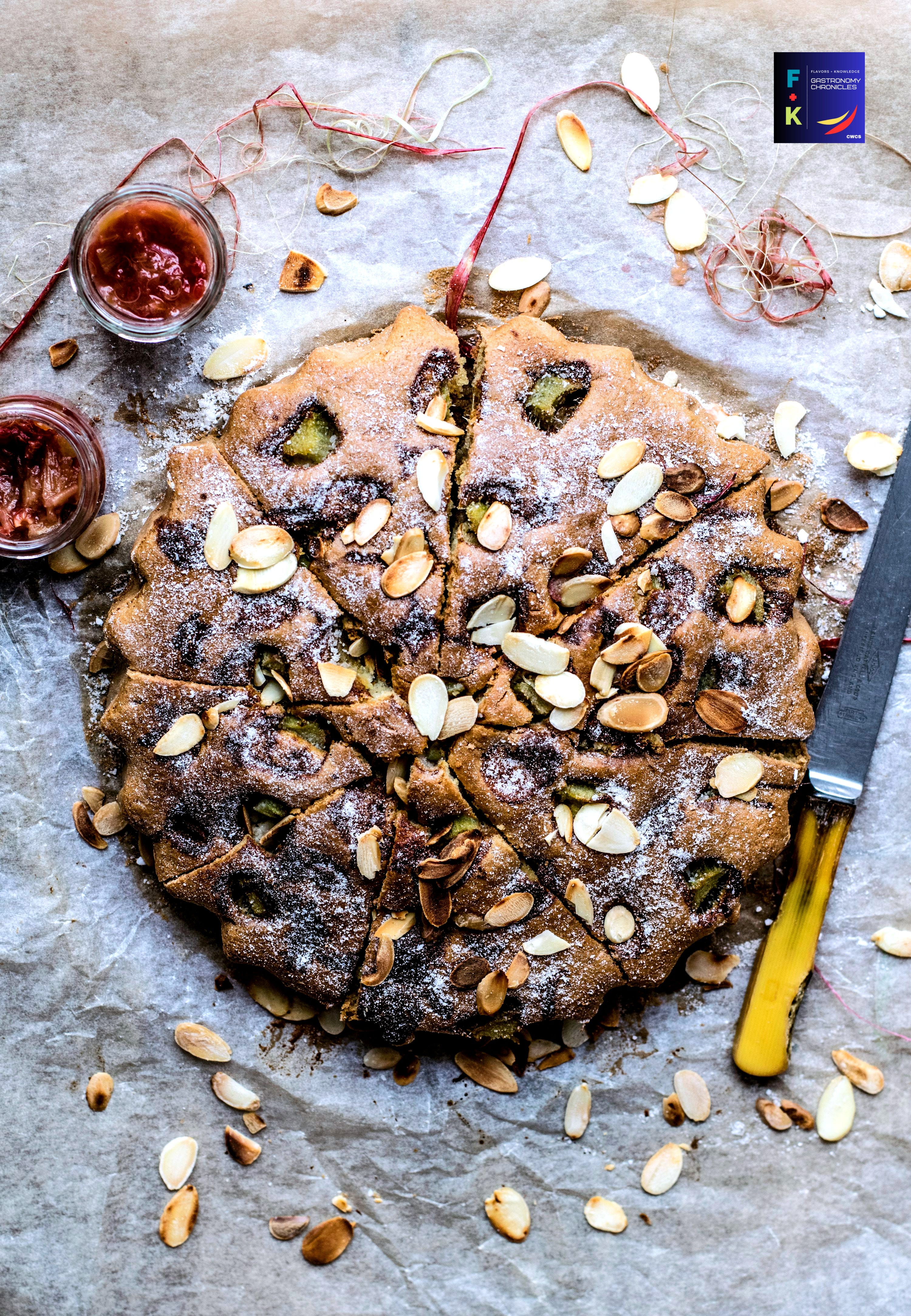
One of the most beloved ways to enjoy Rhubarb is in the classic Strawberry-Rhubarb Crisp, a simple, rustic dessert that captures April’s transition perfectly. Preheat your oven to 375°F. Trim and slice 4 cups of Rhubarb into ½-inch pieces, and hull and halve 2 cups of fresh strawberries (or use frozen if local berries aren’t yet abundant). Toss the fruit gently with ¾ cup granulated sugar, 2 tablespoons cornstarch, the zest and juice of half a lemon, and a pinch of salt. Let the mixture sit for 10–15 minutes so the juices begin to release. For the crisp topping, combine 1 cup old-fashioned oats, ½ cup all-purpose flour, ½ cup packed brown sugar, ½ teaspoon cinnamon, and a pinch of salt in a bowl.
Cut in ½ cup cold unsalted butter using a pastry cutter or your fingers until the mixture resembles coarse crumbs with some larger clumps. Spread the fruit evenly in a 9x9-inch or similar baking dish, then sprinkle the topping generously over it. Bake for 35–45 minutes until the fruit is bubbling thickly and the topping is golden brown and crisp. Allow it to cool for at least 15 minutes before serving warm with a scoop of vanilla ice cream or a dollop of lightly sweetened whipped cream. The tart Rhubarb softens into a jammy filling while the strawberries add natural sweetness and beautiful color, creating a comforting yet bright dessert that feels like spring in every spoonful.
For a more elegant yet straightforward treat, try Rhubarb Compote, which can be used in countless ways throughout the week. In a medium saucepan, combine 4 cups chopped Rhubarb, ½ to ¾ cup sugar (adjust to taste depending on the Rhubarb’s tartness), ¼ cup water or orange juice, the zest of one orange or lemon, and a 1-inch piece of fresh ginger, peeled and thinly sliced if you want a subtle spicy warmth. Bring to a gentle simmer over medium heat, stirring occasionally, and cook for 10–15 minutes, until the Rhubarb breaks down into a thick, saucy consistency while still retaining some texture. Remove from heat, stir in a splash of vanilla extract, and let cool. Store the compote in an airtight jar in the refrigerator for up to two weeks. Spoon it over Greek yogurt or oatmeal for breakfast, swirl it into vanilla ice cream, spread it on toast with ricotta, or use it as a topping for pancakes and waffles. Its versatility makes it a staple for brightening simple meals during April’s unpredictable weather.
Another wonderful preparation is Roasted Rhubarb, which concentrates the flavors and turns the stalks into tender, glistening pieces with intensified color and sweetness. Preheat the oven to 400°F. Cut 1 pound of trimmed Rhubarb into 2-inch lengths and toss gently with ⅓ cup sugar, 1 tablespoon honey or maple syrup, the zest and juice of one orange, and a pinch of salt. Spread the pieces in a single layer on a parchment-lined baking sheet. Roast for 12–18 minutes, stirring once halfway through, until the Rhubarb is soft but not completely collapsed and the edges have caramelized slightly. Let it cool slightly before serving warm or at room temperature. Roasted Rhubarb shines alongside savory dishes—pair it with roasted pork tenderloin or grilled chicken for a sweet-tart sauce, or fold it into a salad with goat cheese, toasted walnuts, and mixed greens. The gentle heat preserves some structure while drawing out natural sugars, making it less aggressively tart than stewed versions.
For a cozy baked good that travels well and celebrates Rhubarb’s essence, bake a batch of Rhubarb Muffins. Preheat the oven to 375°F and line a 12-cup muffin tin with papers. In a large bowl, whisk together 2 cups all-purpose flour, ¾ cup sugar, 2 teaspoons baking powder, ½ teaspoon baking soda, ½ teaspoon salt, and ½ teaspoon ground cardamom or cinnamon for warmth. In another bowl, beat 1 large egg with ¾ cup buttermilk or plain yogurt, ⅓ cup melted butter or neutral oil, and 1 teaspoon vanilla extract. Stir the wet ingredients into the dry just until combined—do not overmix. Fold in 2 cups finely chopped Rhubarb (and ½ cup chopped strawberries or nuts if desired). Divide the batter evenly among the muffin cups, sprinkling the tops with a little coarse sugar for sparkle. Bake for 18–22 minutes until golden, and a toothpick comes out clean. Cool in the tin for 5 minutes, then transfer to a rack. These muffins offer a tender crumb studded with soft rhubarb pockets and keep beautifully at room temperature for a couple of days or in the freezer for longer storage.
Finally, consider a savory application with Braised Rhubarb with Pork or Chicken. Season 4 bone-in chicken thighs or pork chops with salt and pepper. Brown them well in a skillet with a little oil over medium-high heat, then remove. In the same pan, sauté a sliced shallot or onion until soft, add 2 cups chopped Rhubarb, ¼ cup honey, 2 tablespoons balsamic vinegar, a sprig of fresh thyme, and ½ cup chicken broth. Return the meat to the pan, cover, and simmer gently for 20–25 minutes until the meat is cooked through and the Rhubarb has softened into a glossy sauce. Adjust seasoning with salt and a squeeze of lemon if needed. The Rhubarb’s acidity cuts through the richness of the meat, creating a sophisticated yet comforting main dish that highlights April’s early bounty.
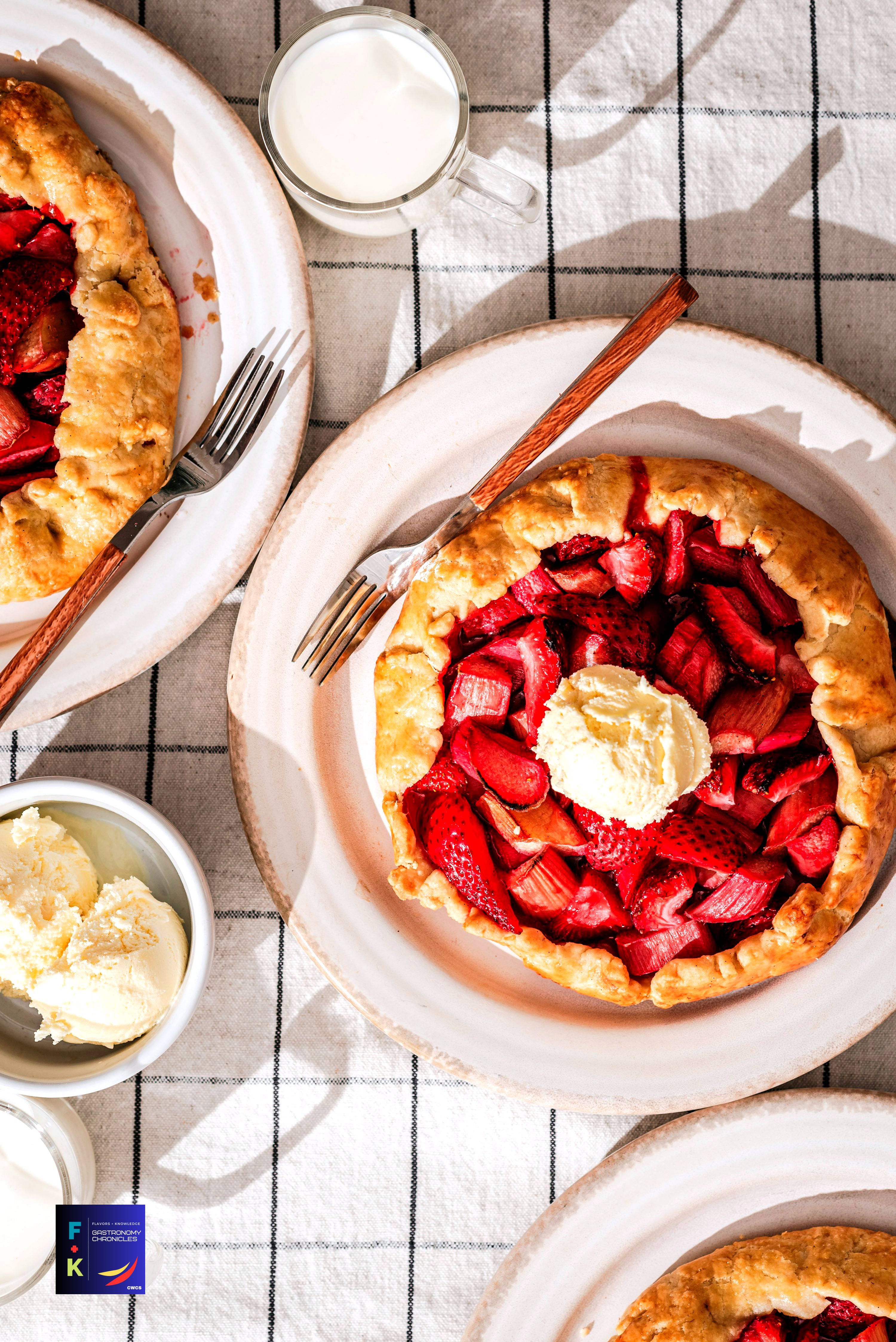
These rhubarb recipes embrace the vegetable’s bold personality while balancing its tartness with simple sweeteners, citrus, and warm spices. In Providence’s April kitchen, they turn humble stalks into everything from quick breakfast toppings to show-stopping desserts and savory suppers. By selecting firm, colorful Rhubarb, storing it properly, and cooking it thoughtfully, you capture the essence of spring’s awakening—one bright, tangy bite at a time.
(Julian Bell F+K Editorial)
