

DISCOVERING RAMADAN
A simplified guide to Its History, Culture, and Cuisine.

Readers:
Having spent many years traveling extensively across the Arab world—from the bustling souks of Marrakech and the ancient streets of Cairo to the vibrant neighborhoods of Amman, Beirut, and Dubai—I’ve had the privilege of experiencing Ramadan and other traditions not as an outsider looking in, but as someone welcomed into homes, mosques, and family gatherings. Over countless iftars shared around crowded tables, late-night suhoor conversations, and moments of quiet reflection under desert skies, I learned firsthand the depth of hospitality, the rhythm of faith, and the beautiful diversity that exists within Arab and Islamic cultures. What began as curiosity grew into deep appreciation, and now I’m eager to share some of that Knowledge—especially about Ramadan—with those who may never have had the chance to break bread during iftar or hear the call to prayer echo through a moonlit medina, hoping to offer a small window into a world that has shaped so much of what I think of the Arab world today.
Ramadan (Evening of Tue, February 17, 2026 – Thu, March 19, 2026) is a major observance in Islam, observed by more than 2 billion Muslims worldwide. (Ghani, 2013) It falls in the ninth month of the Islamic lunar calendar. During this time, Muslims fast each day from dawn to sunset, avoiding food, drink, and other physical needs. This fasting, called sawm, is one of Islam’s five pillars. It is a period for spiritual reflection, self-control, caring for others, and building community. Because Ramadan follows the lunar calendar, its dates change each year, lasting 29 or 30 days depending on when the crescent moon is seen. For those new to Ramadan, it can be seen as a month-long time to reset, filled with devotion, family time, and festive evenings, culminating in Eid al-Fitr, a joyful celebration marking the end of the fast.
Ramadan’s roots go back to the 7th century in Arabia. In 610 CE, the Prophet Muhammad received the first verses of the Qur’an from the angel Jibril (Gabriel) in a cave near Mecca. Laylat al-Qadr, or the Night of Power, is believed to have occurred during one of the last ten nights of Ramadan and is regarded by Muslims as the holiest night of the year, marking the occasion when the Qur’an was first revealed to the Prophet Muhammad by the angel Gabriel, according to Britannica. Fasting during Ramadan became required in the second year after this migration, building on earlier voluntary fasts and marking the revelation of the Qur’an. (Al-Ifta, 2024) Over time, Ramadan grew from a local tradition to a worldwide observance, shaped by many cultures but keeping its spiritual focus. In history, during the Ottoman Empire, Ramadan included local customs such as grand palace feasts, helping its traditions spread far and wide. (Agency, 2012)
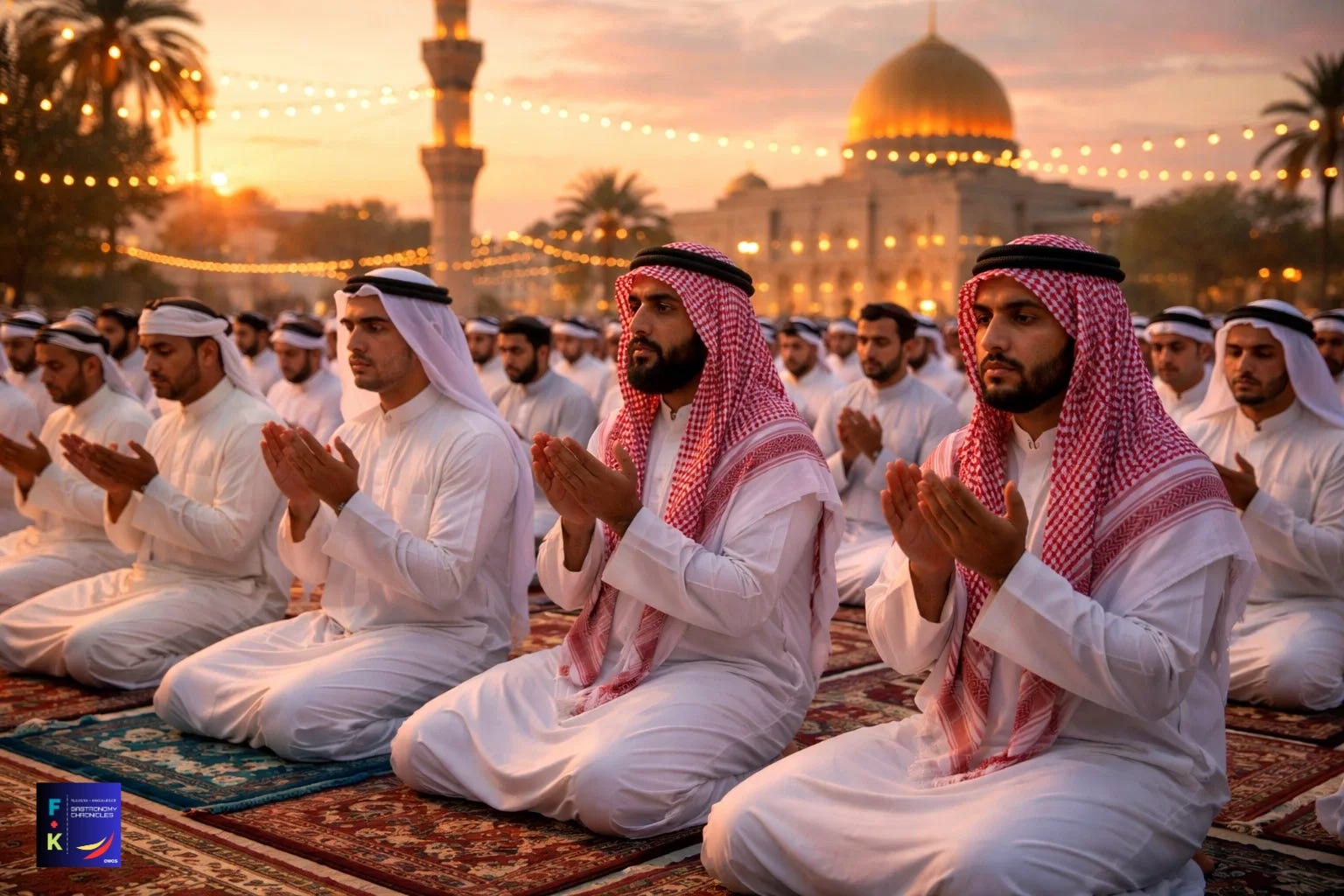
Ramadan is about much more than fasting. It is a lively cultural time that brings people together (Shalihin & Sholihin, 2022), encourages generosity, and invites reflection. Mosques are filled with worshippers for extra prayers, including Taraweeh, where parts of the Qur’an are read each night. Families and communities gather to focus on sharing and charity (zakat), another pillar of Islam. In many countries, streets are decorated with lights and lanterns, like the fanous in Egypt, which have symbolized enlightenment for centuries. Traditions differ by region. In Turkey, “mahya” lights hang between mosque towers with religious messages, a custom from Ottoman days. (Mahya lights, 2024) In the Middle East, cannons fire at sunset to signal iftar, echoing old calls to prayer. (Iftar Cannon, n.d.) In Asia and Africa, night markets come alive with food and celebrations, making evenings special. (Pasar Malam, n.d.) Prayer is important, and many try to read the entire Qur’an during the month. Feeling hungry reminds Muslims to help those in need, often by sharing food or giving to charity. Ramadan is also a time for forgiveness, making peace with family, and growing spiritually. It ends with Eid al-Fitr, a celebration with new clothes, gifts, and feasts.
Even though Ramadan is a time of fasting, food is still very important for bringing people together and building excitement. There are two main meals each day: suhoor, eaten before dawn to give energy for the day, and iftar, eaten at sunset to break the fast. Iftar usually starts with dates and water, following the Prophet Muhammad’s example, since dates give quick energy and important nutrients. (Start your fast on a healthy note, 2016) Suhoor often includes filling foods like yogurt, eggs, beans (foul medames), or flatbreads to help people last through the day. Iftar is often a big meal, with dishes like Moroccan harira soup, South Asian samosas, or slow-cooked stews like haleem. Each region has its own favorites, such as Turkish Ramadan pita, Egyptian kunafa, or Pakistani biryani. Sweets like sheer khurma or baklava are common at the end of the meal. Food shows local culture: in the Arab world, people share large meals, while in Indonesia, kolak (fruit in coconut milk) is popular. Sharing iftar with neighbors or those in need is a key part of Ramadan’s spirit of generosity.
Ramadan brings together faith, culture, and food, encouraging people to pause, reflect, and connect with others. For those new to Ramadan, it is a chance to see the richness and variety of Islamic traditions. Through prayer or sharing meals, Ramadan highlights values like compassion and community. Each year, as the crescent moon appears, Ramadan inspires people around the world.
The Lent and Ramadan differences
Both Lent and Ramadan encourage people to pause their daily routines for a time of spiritual focus, self-control, and drawing closer to God, but they do so in different ways.
Lent is a Christian tradition that lasts about forty days before Easter. It remembers Jesus fasting for forty days in the wilderness. It invites believers to repent, pray more, give to others, and practice self-denial, such as giving up meat on Fridays, sweets, or a personal habit. (Ash Wednesday marks the start of Lent, a period of fasting, reflection, and fish fries, 2026) The mood is quiet and thoughtful, with some sadness for Christ’s suffering, but it ends with the joy of resurrection. The rules differ: Catholics fast strictly on two days and avoid meat on Fridays, while others choose their own sacrifice. (Fasting and Abstinence - Easter / Lent - Catholic Online, n.d.) People still eat during the day, but moderation is encouraged.
Ramadan is the ninth month of the Islamic lunar calendar and lasts twenty-nine or thirty days, moving earlier each year. Muslims fast completely from dawn to sunset, meaning no food, drink, smoking, or marital relations. Each evening, they break the fast with iftar and prepare for the next day with suhoor before dawn. Fasting is one of Islam’s five pillars and aims to build awareness of God, discipline, gratitude, and compassion for those who are hungry. Nights are often filled with extra prayers, Qur’an reading, and sharing meals with others. The month combines discipline with celebration and ends with the joyful festival of Eid al-Fitr.
Both Lent and Ramadan encourage people to let go of material things, pray more, give to charity, and feel empathy for those in need. Both aim for inner renewal through self-control. According to Eric Sarwar, Lent involves practices spread over forty days, typically allowing daily meals, while Ramadan requires devout Muslims to fast for thirty days, with no food or drink permitted during daylight hours. Lent prepares for the resurrection, and Ramadan marks the revelation of the Qur’an.
Both traditions show a common human desire: to quiet the body so the spirit can be heard more clearly.
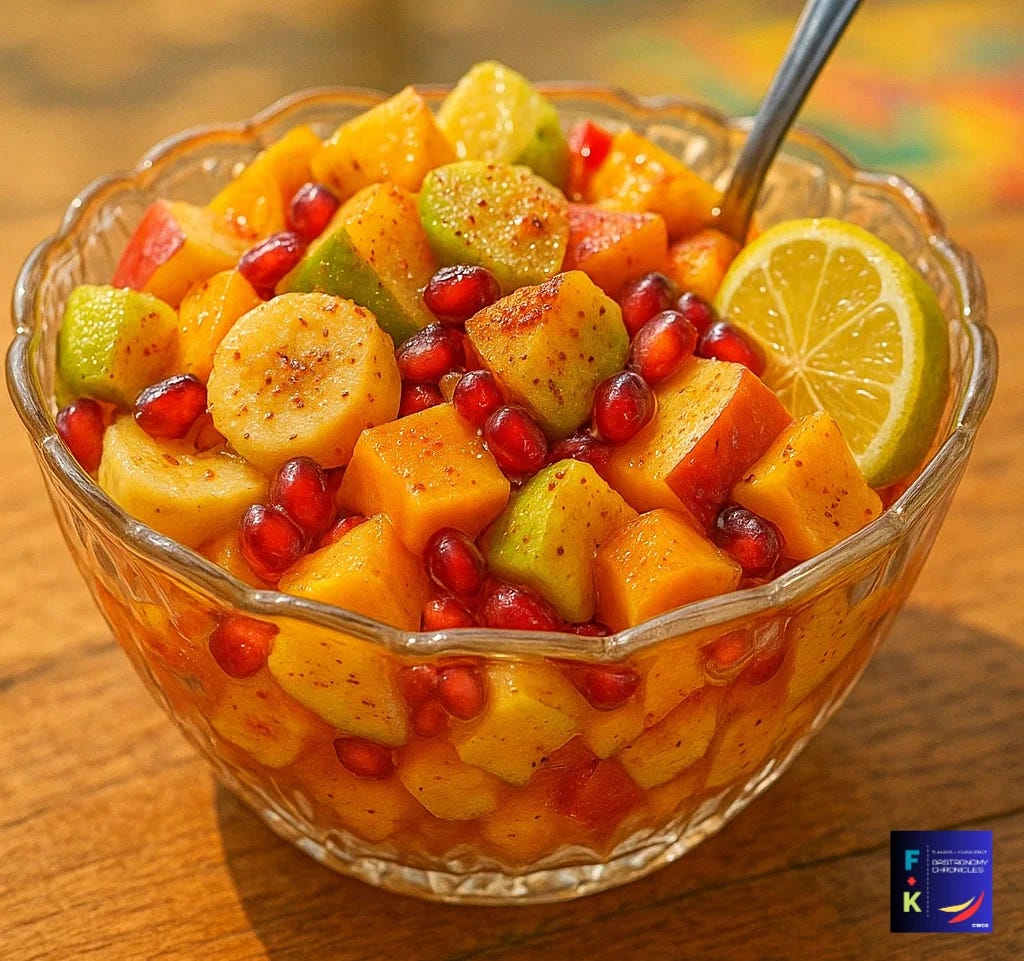
For this article, I chose a simple Ramadan recipe that’s easy for anyone to prepare and hugely popular during iftar across many South Asian and Middle Eastern-inspired households: Fruit Chaat (also called Fruit Salad with Chaat Masala). This refreshing, tangy-sweet dish is a classic way to break the fast—it’s hydrating, packed with vitamins, quick to assemble (no cooking required!), and feels festive yet light after a day without food. It’s especially beloved in Pakistan, India, and parts of the Arab world as a cooling, energizing starter or side.
Ingredients (serves 4-6):
2 medium apples, diced
2 bananas, sliced
1 large orange or 2 mandarins, peeled and segmented
1 cup pomegranate seeds (or grapes if preferred)
1 mango or guava, diced (seasonal; optional)
1 small cucumber, diced (adds crunch and freshness)
Juice of 1 lemon or lime
1-2 teaspoons chaat masala (available in most grocery stores or Asian markets; adjust to taste)
½ teaspoon black salt (kala namak; optional but traditional for extra tang)
A pinch of red chili powder (optional, for mild heat)
Fresh mint leaves, chopped (for garnish)
Honey or sugar to taste (if you want it sweeter)
Procedure:
Wash and chop all the fruits and the cucumber into bite-sized pieces. Place everything in a large mixing bowl. Squeeze the lemon or lime juice over the fruits to prevent browning and add brightness. Sprinkle the chaat masala, black salt, and chili powder (if using) evenly over the mixture. Gently toss everything together to coat the pieces well.
Taste and adjust seasoning—if it’s too tangy, add a drizzle of honey or a sprinkle of sugar. Garnish with chopped fresh mint leaves. Serve immediately in small bowls or as part of a larger iftar spread, often chilled for extra refreshment.
This recipe is super forgiving—you can use whatever fruits are in season or on hand, and it comes together in about 10-15 minutes. It’s naturally vegan, gluten-free, and a crowd-pleaser that brings a burst of flavor and hydration right after breaking the fast with dates and water. Perfect for beginners or busy days during Ramadan. Ramadan Mubarak!
